
Introduction to Napa Cabbage Kimchi
When you think of Korean cuisine, the word “kimchi” often comes to mind, and for good reason! At the heart of this beloved cultural dish is napa cabbage kimchi, or tongbaechu-kimchi. This iconic side dish is as quintessential to Korean meals as bread is to a Western diet. Did you know that Koreans have a saying, “Without kimchi, it's not a meal”? It highlights the deep cultural significance of kimchi, which transcends mere nourishment; it embodies tradition, family, and community.
Kimchi-making is often a communal activity, especially during the fall when families gather to prepare large batches for the winter months. The tradition of capturing the essence of seasonal vegetables in a spicy brine speaks to the Korean philosophy of harmony with nature. In fact, studies suggest that kimchi not only adds flavor but offers health benefits, being rich in vitamins and probiotics.
For those new to cooking, the process of making napa cabbage kimchi might seem a bit daunting, but it’s well worth the effort. After all, nothing compares to the satisfaction of pulling a jar of homemade kimchi from your fridge, silky and spicy, ready to elevate any meal. Want to dive deeper? Check out Maangchi's recipe!
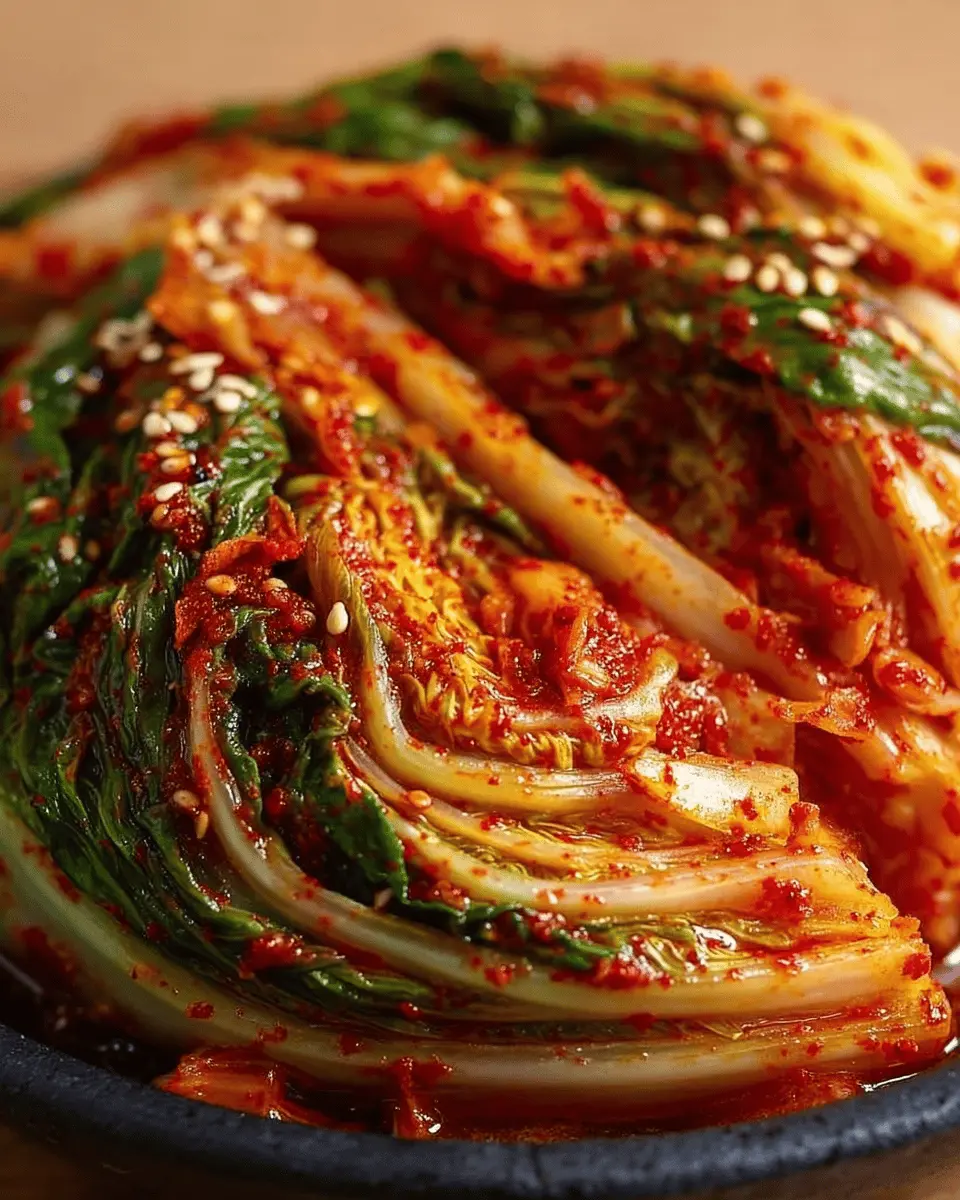
Ingredients for Napa Cabbage Kimchi
When it comes to crafting the perfect napa cabbage kimchi, the ingredient list is essential. Here’s a quick rundown to help you get started.
Essential ingredients for the classic recipe
For a traditional napa cabbage kimchi, you will need:
- 1 large head of napa cabbage
- ½ cup sea salt (for brining)
- 1 cup Korean red pepper flakes (gochugaru)
- 1 tablespoon fish sauce (or soy sauce for a vegan option)
- 1 tablespoon sugar
- 5-6 cloves garlic, minced
- 1-inch piece ginger, minced
- 4 green onions, chopped
These ingredients come together to create a deliciously tangy and spicy kimchi that’s full of flavor. If you’re interested in the health benefits of probiotics found in fermented foods like kimchi, check out this article from the Harvard T.H. Chan School of Public Health for more insight.
Optional ingredients for personalized flavor
Feel free to customize your napa cabbage kimchi! Consider adding:
- ½ cup grated carrots for sweetness and color
- ½ pear, grated for a fruity hint
- A sprinkle of sesame seeds for nuttiness
These optional ingredients allow you to express your culinary creativity while sticking to the classic method. Happy kimchi-making!
Step-by-step Preparation of Napa Cabbage Kimchi
Making napa cabbage kimchi at home is a rewarding culinary journey that connects you with Korean tradition. This classic dish, also known as tongbaechu-kimchi, is dear to many hearts—and for good reason! Let’s take it step by step.
Preparing the Napa Cabbage
Start by selecting a fresh napa cabbage—look for leaves that are firm and vibrant. You’ll need about 2-3 pounds for this recipe.
- Cut the Cabbage: Slice the cabbage into quarters lengthwise, then remove the core gently. This helps the leaves become pliable for the next steps.
- Salt the Leaves: Dissolve 1 cup of sea salt in a large basin of water. Soak the cabbage quarters for 2-4 hours, turning them occasionally. This salting step is crucial, as it draws out moisture and begins the fermentation process.
- Rinse and Drain: Once done, rinse each leaf under cold water to remove excess salt. Drain them well and set aside.
Making the Spicy Kimchi Paste
The heart of napa cabbage kimchi lies in its spicy paste. Here’s how to create that rich, flavorful mixture:
- Ingredients: You'll need:
- 2 tablespoons of glutinous rice flour
- 1 cup water
- ½ cup Korean red pepper flakes (gochugaru)
- 5-6 cloves of minced garlic
- 2 tablespoons grated ginger
- 3 tablespoons fish sauce (or soy sauce for a vegan option)
- 1 teaspoon sugar
- Cook the Rice Flour: In a small pot, mix the flour and water, and bring it to a simmer. Stir constantly until it thickens into a paste.
- Mix It All Together: Once the paste has cooled, add the rest of the ingredients and mix well. Your kimchi paste should be thick and vibrant, so adjust the red pepper flakes according to your spice level preference.
Applying the Paste to the Cabbage
Now, it's time to bring the cabbage and paste together:
- Spread Leaf by Leaf: Take a cabbage leaf and spread a generous amount of the spicy paste between the layers. Make sure to coat each leaf well, as this is where the flavor resides!
- Repeat: Continue this process until all leaves are thoroughly coated. It might be a bit labor-intensive, but trust me, it’s all worth it!
Packing the Kimchi into Jars
With your cabbage fully coated, it’s time to pack it away appropriately:
- Choose Your Jars: Use clean, airtight jars to store your kimchi.
- Pack Firmly: Start placing the coated cabbage into the jars, pressing down firmly to eliminate air pockets. This assists in fermentation and keeps the cabbage submerged in its juices.
Fermentation Process and Duration
This is the exciting part—watching your work transform!
- Let It Sit: Seal the jars and leave them at room temperature for 1-2 days, depending on your desired level of fermentation. If you live in a warm climate, check on your kimchi daily; it may ferment faster.
- Refrigerate: Once fermented to your taste, transfer the jars to the fridge. There, it can continue to develop its flavor, becoming tastier as the days go by.
In just a few simple steps, you’ve created your very own napa cabbage kimchi! As a bonus, explore variations with other vegetables or spices to make this recipe your own. For detailed watching, check out Maangchi’s video on how she makes this delight! Enjoy your culinary adventure!
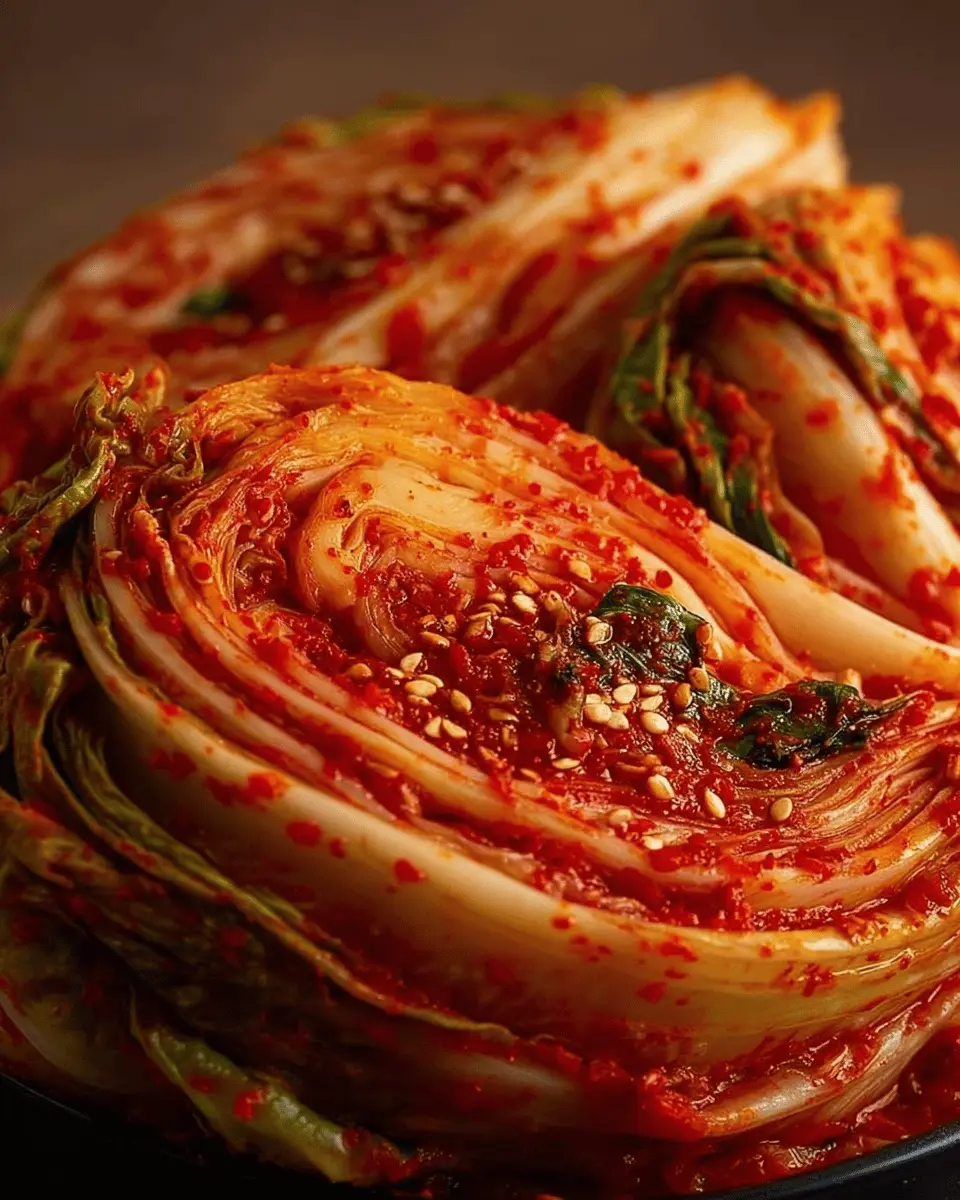
Variations on Napa Cabbage Kimchi
Vegan Napa Cabbage Kimchi
If you're looking for a plant-based option, vegan napa cabbage kimchi is an easy twist on the classic recipe. Simply omit the fish sauce and go for a combination of soy sauce or tamari and a splash of vinegar for that umami kick. You can also enrich the flavor with some diced mushrooms or seaweed. Trust me, the result is just as delicious!
Napa Cabbage Kimchi with Different Spices
Consider experimenting with various spices to make your napa cabbage kimchi unique. Try adding chili flakes for extra heat or incorporating ginger for a fragrant twist. You can even explore international flavors, like using curry powder or cumin, to create a fusion-style kimchi that sparks joy with every bite.
Ultimately, don’t hesitate to play around with these ideas to find your personal favorite! And if you'd like to dive deeper into the world of kimchi, feel free to visit resources like The Korean Vegan or the Kimchi Chronicles for more inspiration.
Cooking Tips and Notes for Napa Cabbage Kimchi
Common Mistakes to Avoid
When making napa cabbage kimchi, it's easy to slip up! Here are some common pitfalls to watch for:
- Skipping the Salting Step: Properly salting the cabbage helps achieve the right texture and flavor. Don’t rush this process.
- Too Much Spicy Paste: While spice is essential, too much can overpower the other flavors. Start with less and adjust gradually.
Enhancing the Flavor and Texture of Your Kimchi
To elevate your napa cabbage kimchi, consider these tips:
- Fermentation Time: Allow the kimchi to ferment at room temperature for a few days before storing it in the fridge.
- Additives for Extra Crunch: Incorporate shredded carrots or diced radish for an exciting crunch.
- Flavor Boosters: Experiment with fish sauce or seaweed for added umami depth.
For more on fermentation, check out resources from The Cultures for Health. Happy cooking!
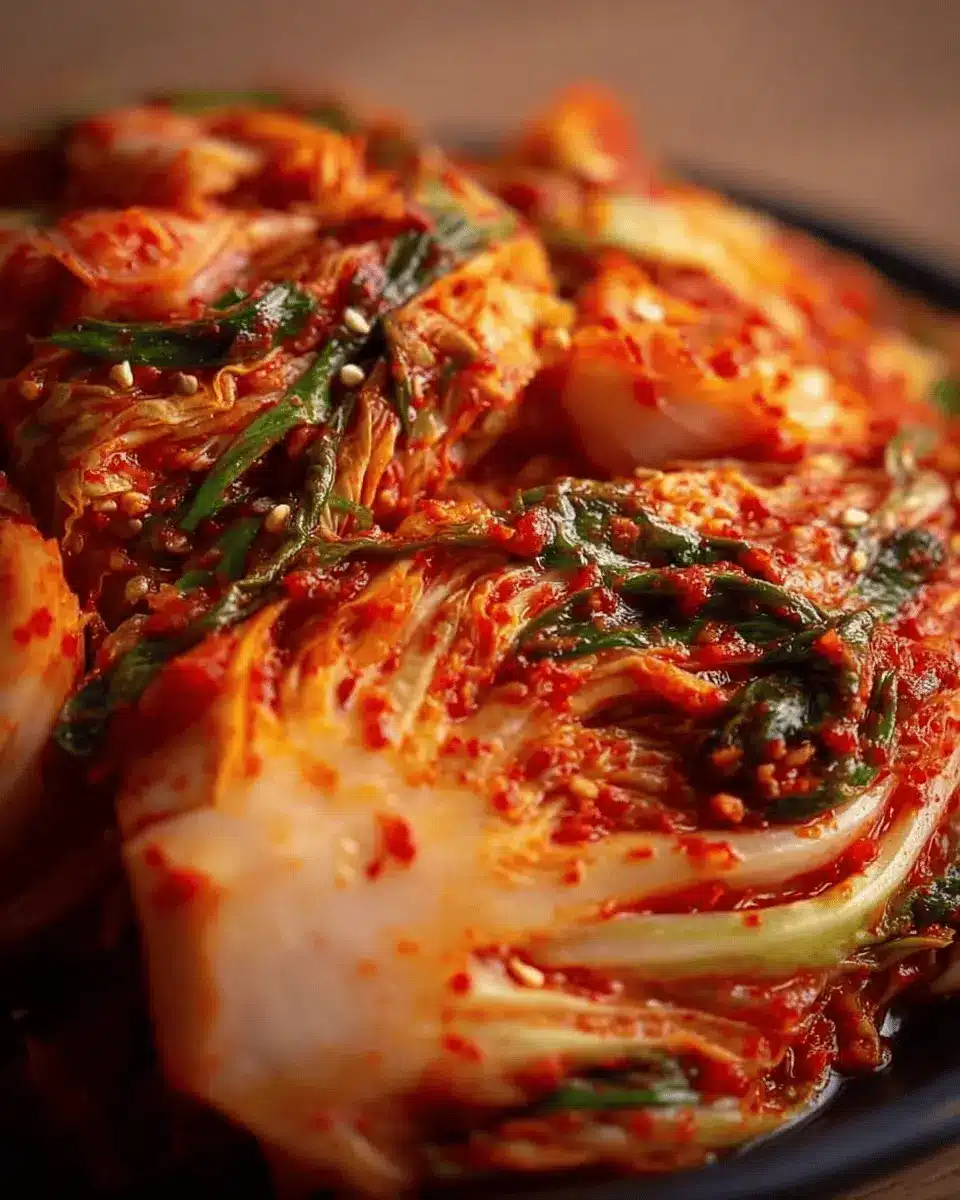
Serving Suggestions for Napa Cabbage Kimchi
How to Serve Kimchi as a Side Dish
Napa cabbage kimchi is a versatile addition to any meal. Serve it cold as a vibrant side dish alongside your main course. It pairs beautifully with grilled dishes, such as beef bulgogi or turkey bacon, providing a refreshing contrast to rich flavors. Consider placing it in a small bowl at the center of the table, where everyone can help themselves. This encourages sharing and adds a colorful touch to your dining experience.
Creative Ways to Incorporate Kimchi into Meals
Want to get a bit adventurous? Think beyond the traditional side! Napa cabbage kimchi elevates a simple rice bowl or wraps perfectly into a delicious burrito. You can use it as a topping for tacos or mix it into a savory ramen for a delightful twist. If you're feeling particularly creative, try blending it into a dipping sauce or salad dressing for an unexpected kick. Check out Serious Eats for more innovative recipes that incorporate kimchi and other unique ingredients!
Time Breakdown for Napa Cabbage Kimchi
Preparation Time
Making napa cabbage kimchi requires about 30 minutes for preparation. This involves washing, salting, and coating the cabbage leaves with the spicy paste. Don't rush! Take your time to ensure every leaf is nicely coated.
Fermentation Time
After you've prepared your kimchi, the fermentation process typically takes between 1 to 2 days at room temperature, depending on your taste preference. If you enjoy a stronger flavor, allow it to ferment longer.
Total Time
In total, you’re looking at around 1 to 2 days, not including the time you may want to refrigerate it for optimal flavor development. This means you can prepare it today and enjoy your homemade napa cabbage kimchi in no time!
Ready to dive deeper into this recipe? Check out guides on how to choose the best napa cabbage or explore methods to adjust the spice level of your kimchi for a personalized touch!
Nutritional Facts for Napa Cabbage Kimchi
Calories
Napa cabbage kimchi is a satisfying yet light dish, typically containing around 20-30 calories per serving. This makes it a fantastic addition to a meal without packing on extra calories.
Nutritional Benefits
This vibrant kimchi is not just a flavorful side dish; it's packed with essential vitamins. Napa cabbage is rich in:
- Vitamin C: Supports immunity and skin health.
- Vitamin K: Important for blood clotting and bone health.
- Fiber: Aids digestion and promotes satiety.
Including napa cabbage kimchi in your diet can contribute to overall health and wellness.
Probiotics Content
The fermentation process of napa cabbage kimchi creates beneficial probiotics, which can enhance gut health and boost digestion. These probiotics support a balanced gut microbiome, potentially improving overall health and even mood. With many varieties available, homemade kimchi often has a higher probiotic count than store-bought options, making it a smart choice for those looking to up their gut-friendly intake. For more on the benefits of probiotics, check out resources from the International Scientific Association for Probiotics and Prebiotics.
FAQs about Napa Cabbage Kimchi
How long does homemade kimchi last?
Homemade napa cabbage kimchi can last quite a while if stored properly! Typically, it will stay good in the refrigerator for about 2 to 4 weeks. The flavor and texture will continue to evolve, becoming tangier over time. If you notice any off smells or signs of spoilage like mold, it's best to err on the side of caution and discard it. To prolong freshness, make sure to use a clean spoon when serving!
Can I use other types of cabbage for kimchi?
Absolutely! While napa cabbage is traditional, you can experiment with other cabbage varieties like green cabbage or savoy cabbage. Just keep in mind that each type may impart slightly different flavors and textures, resulting in unique kimchi variations. If you're feeling adventurous, try making kimchi with bok choy or even kale for a twist!
What are the health benefits of eating kimchi?
Eating napa cabbage kimchi offers numerous health benefits! It's known for being rich in probiotics thanks to the fermentation process, which can aid in digestion and strengthen gut health. Additionally, it's low in calories but high in vitamins A, B, and C, making it a nutritious side dish. Some studies even suggest that regular consumption can support heart health and may have anti-inflammatory properties. For more detailed insights on kimchi’s health benefits, check out Healthline.
Conclusion on Napa Cabbage Kimchi
In summary, napa cabbage kimchi is a timeless dish that embodies the essence of Korean cuisine. Crafting it at home not only delivers superior flavor but also fosters connection with tradition. As you embrace this spicy delight, remember that practice makes perfect – soon enough, you'll master the art of kimchi-making! Keep exploring flavors and have fun with your culinary adventures!
For more in-depth tips on storage and variations of kimchi, feel free to check out Maangchi's full recipe and dive deeper into the world of fermentation!
Napa cabbage kimchi
Equipment
- large mixing bowl
- cutting board
- knife
- Glass jar
- Gloves
Ingredients
Cabbage and Seasoning
- 1 large Napa cabbage
- ½ cup Korean red pepper flakes (gochugaru) Adjust for spice level
- 3 tablespoons Salt For brining
- 4 cloves Garlic Minced
- 1 tablespoon Ginger Grated
- 2 tablespoons Fish sauce
- 1 teaspoon Sugar
Instructions
Preparation
- Cut the Napa cabbage in half lengthwise and then into quarters. Rinse the cabbage pieces and sprinkle salt between the leaves. Let it sit for 2 hours to brine.
- In a large bowl, mix gochugaru, minced garlic, grated ginger, fish sauce, and sugar to make the spicy paste.
- After 2 hours, rinse the cabbage under cold water and drain well. Spread the spicy paste between each leaf of the cabbage.
- Pack the coated cabbage tightly into a glass jar, leaving some space at the top for fermentation.
- Seal the jar and let it ferment at room temperature for 2-3 days until bubbly.
- Store the kimchi in the refrigerator for up to several weeks.




Leave a Reply