
Introduction to Sourdough Bread
Sourdough bread has captured the hearts and kitchens of home bakers everywhere. But why is this age-old recipe making a modern comeback? For starters, the unique tangy flavor and chewy texture that result from natural fermentation create a delicious experience highly sought after in artisanal baking. It’s more than just a loaf; it’s a journey of skill and patience.
Many bakers appreciate the health benefits of sourdough, as the fermentation process makes the bread easier to digest compared to commercial yeasted bread. Additionally, sourdough's low glycemic index is a boon for those mindful of their blood sugar. Research suggests that the probiotics found in sourdough may also aid in gut health, making it not only a treat for the taste buds but also a wholesome addition to your diet.
Learning to bake sourdough might seem daunting, but with just a few essential ingredients — bread flour, water, salt, and a cultivated sourdough starter — you can produce a masterpiece right in your own kitchen. Plus, nothing quite compares to the satisfaction of pulling a golden-brown crusted loaf from the oven. Ready to dive into this culinary adventure? Let’s get started!
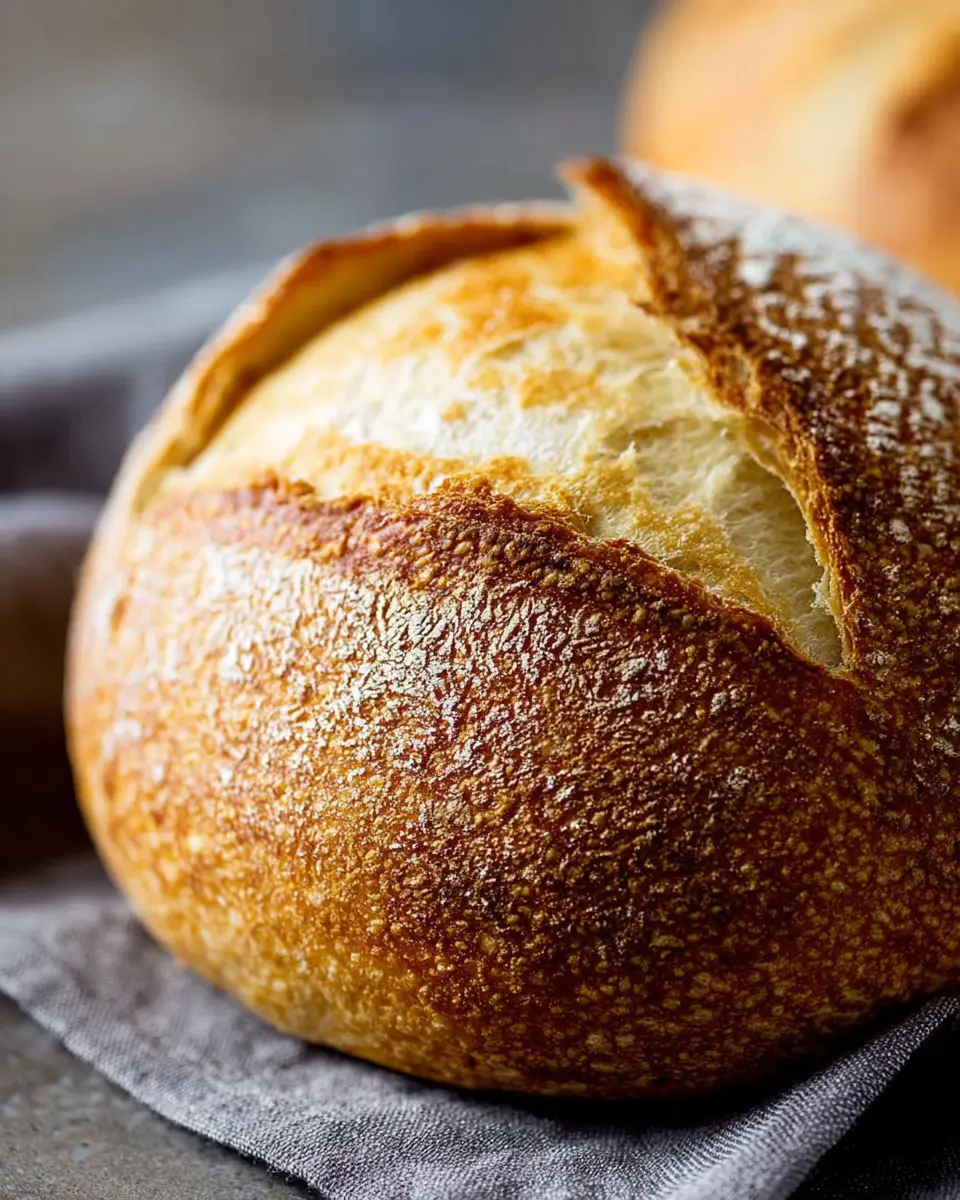
Ingredients for Sourdough Bread
Essential ingredients for a perfect loaf
Baking sourdough bread requires just a few high-quality ingredients that come together to create a delightful loaf. Here’s what you’ll need:
- Bubbly, active sourdough starter (150g): Your starter is the star of this recipe! It provides natural fermentation.
- Warm water (250g): Water activates the yeast and helps the dough develop gluten. Warm water is best!
- Olive oil (25g): This isn’t always necessary, but it adds a beautiful texture and flavor, giving your bread that artisan touch.
- Bread flour (500g): Make sure to use bread flour instead of all-purpose flour. Its higher protein content strengthens your loaf.
- Fine sea salt (10g): Salt enhances flavor and regulates yeast activity.
Optional ingredient enhancements
Feeling adventurous? You can elevate your sourdough bread with these optional ingredients:
- Whole grains: Consider integrating whole wheat or rye flour for additional flavor and nutrition.
- Herbs and spices: Dried herbs like rosemary or spices such as garlic powder add depth to your bread.
- Seeds or nuts: Flaxseeds, sunflower seeds, or walnuts can supply a satisfying crunch.
Experimenting with these enhancements can bring a personal twist to your baking journey! For popular techniques and tips, check out places like King Arthur Baking, which offers fantastic resources for home bakers.
Preparing Sourdough Bread
Creating your own sourdough bread might seem intimidating at first, but trust me, it can be a fun and rewarding experience. Let’s break down the process step by step to help you feel confident in the kitchen.
Gather Your Ingredients
Before diving into the baking, it’s essential to have everything in place. Here’s what you’ll need:
- 150g of bubbly, active sourdough starter
- 250g warm water
- 25g olive oil
- 500g bread flour (not all-purpose)
- 10g fine sea salt
- Cornmeal or non-stick parchment paper for baking
Make sure you weigh your ingredients using a digital scale for the best results. Accurate measurements are crucial for achieving that perfect loaf.
Make the Dough
In a large bowl, combine your sourdough starter, warm water, and olive oil. Mix it gently with a fork until combined. Gradually add in the flour and salt, mixing until you get a stiff, shaggy dough. Don't worry if it feels a little dry — that's perfectly normal! Cover the bowl and let it rest for about 30 minutes. This resting phase, known as autolyse, helps develop gluten, which is key for that lovely bread structure.
Bulk Rise the Dough
Now it’s time for the dough’s first rise. Cover the bowl (an oiled wrap works great) and let it sit in a warm spot, ideally between 70-75°F (21-24°C). You'll know it's ready when it's doubled in size and no longer looks dense, which can take anywhere from 3 to 12 hours. Keep an eye on it — the timing can vary based on your kitchen temperature.
As an optional step, you might consider performing a stretch and fold technique during this rise (learn more about it here). This can improve the dough's structure and volume.
Shape the Dough
Once your dough has risen, turn it out onto a lightly floured surface. No need to punch it down; just gently fold and shape it into a round ball. Aim to develop a little tension on the surface by cupping it with your hands and rotating it. This helps give your sourdough bread that nice, baked-brown crust.
Second Rise the Dough
For the second rise, place your shaped dough into a Dutch oven or cloth-lined proofing basket for about 30 minutes to an hour. Cover loosely with a cloth; you want it puffy but not doubled in size. Preheat your oven to 450°F (232°C) towards the end of this rise.
Score and Bake
Finally, right before baking, it’s time to score your dough. Make a shallow cut about 2-3 inches long on the surface. This allows for controlled expansion while baking, creating that gorgeous crust we all love. Place your Dutch oven in the oven with the lid on and reduce the temperature to 400°F (204°C). Bake for 20 minutes covered, then remove the lid and continue for 40 more minutes until it’s golden brown.
Once out of the oven, resist the urge to slice right away. Let your sourdough bread cool on a wire rack for at least an hour. The waiting will be worth it; trust me!
Diving into making your own sourdough can be a delightful journey. With these steps, you’ll be on your way to mastering this beautiful art form and enjoying your homemade bread for many meals to come!
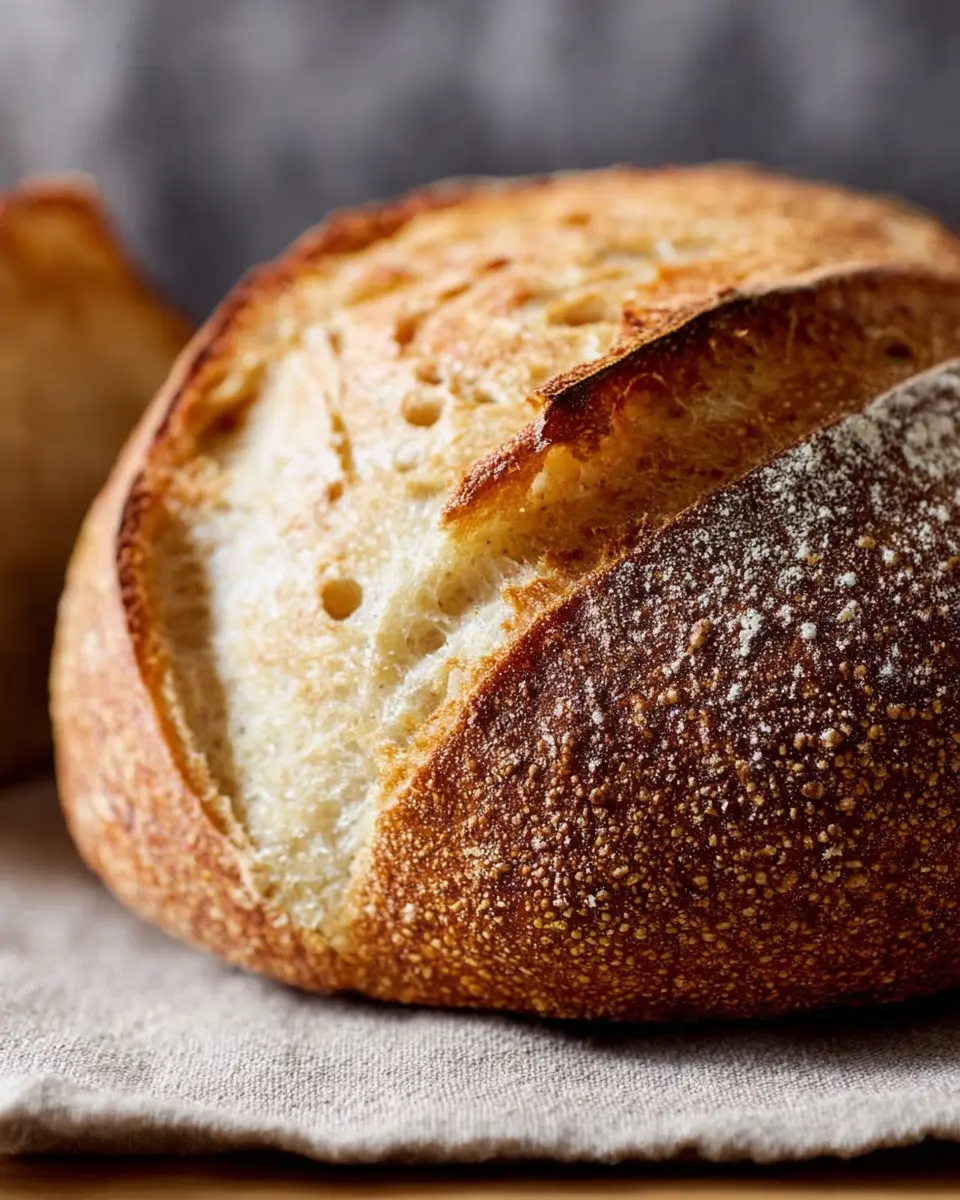
Variations of Sourdough Bread
Sourdough bread is wonderfully versatile, allowing for numerous variations to suit your taste preferences.
Seeded Sourdough
One delicious twist is seeded sourdough. Adding a variety of seeds—like pumpkin, sunflower, or sesame—can enhance both flavor and texture. Simply mix the seeds into your dough during the initial mixing stage or sprinkle them on top before scoring for a beautiful crust.
Herb-Infused Sourdough
For a more aromatic experience, try herb-infused sourdough. Incorporating fresh herbs such as rosemary, thyme, or basil elevates the flavor profile and pairs superbly with your favorite soups or spreads. Chop the herbs finely and mix them into your dough to create a fragrant loaf.
Experimenting with these variations not only adds excitement to your baking but also allows you to showcase your creativity. Happy baking!
Cooking Tips and Notes for Sourdough Bread
Achieving the Right Dough Consistency
Getting the dough right is crucial for your sourdough bread. Aim for a balance between hydration and firmness. If you're new to this, start with 250g of water for a stiffer texture, or increase to 300-325g for a more flexible dough. Don’t forget to let it rest during the autolyse phase, which helps develop gluten and improves elasticity.
Troubleshooting Common Issues
Even experienced bakers face hiccups! If your loaf isn't rising, check the vitality of your sourdough starter—it should be bubbly and active. If the dough spreads too much during the second rise, you likely need to use a floured proofing basket to hold its shape. Remember, baking is a journey; embrace every imperfection and learn from it! For more tips, check out The Kitchn.
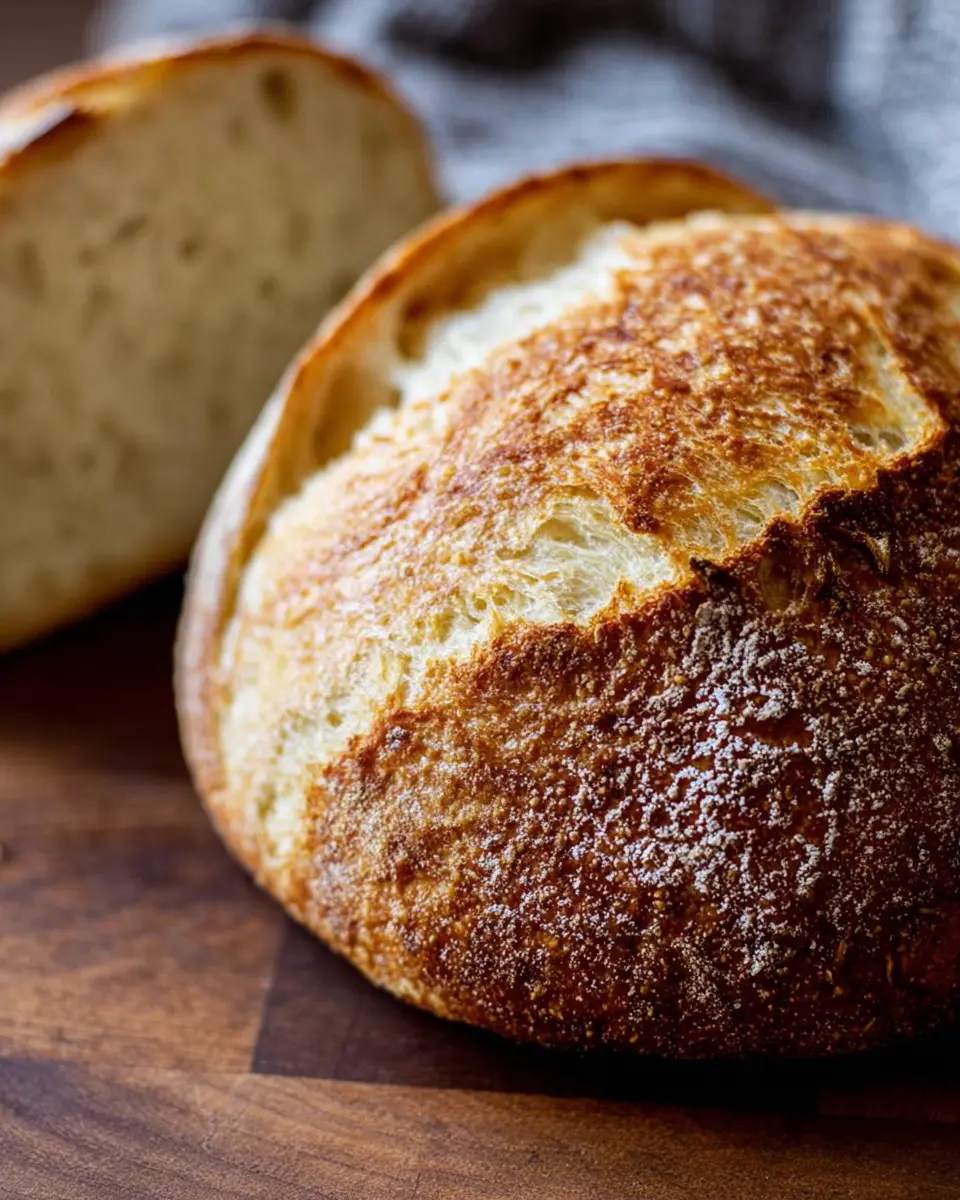
Serving Suggestions for Sourdough Bread
Perfect pairings for your bread
The versatility of sourdough bread makes it a delightful companion for countless spreads and toppings. To elevate your sourdough experience, try pairing it with:
- Creamy avocado and poached eggs for a wholesome breakfast.
- Turkey bacon or chicken ham for a savory sandwich twist.
- A generous layer of butter or hummus topped with fresh veggies.
- Cheese or charcuterie boards, perfect for entertaining.
Creative uses for leftover sourdough
If you have leftover sourdough, don’t toss it! Here are some creative uses:
- Sourdough croutons: Cut into cubes, toss with olive oil and seasonings, then bake until crispy for salads or soups.
- Bread pudding: Transform stale bread into a delicious dessert with eggs, milk, and spices.
- French toast: Use leftover slices to make a decadent breakfast dish.
These suggestions not only minimize waste but also enhance your culinary repertoire. Enjoy!
Time Breakdown for Sourdough Bread
Preparation Time
Start your sourdough journey by setting aside about 13 hours for preparation. This includes the crucial steps of mixing your ingredients and allowing the dough to rest, or autolyse. It’s a great time to tackle other kitchen projects or just relax!
Rising Time
The magic happens during the rising phase, which typically lasts between 3 to 12 hours. Keep an eye on your dough! Its size will help you determine when it's fully risen, so trust your instincts here rather than just the clock. Warm temperatures will speed things up!
Baking Time
Once your dough is ready, baking it takes 1 hour. The first 20 minutes are covered, then you’ll uncover it to let that wonderful golden crust form! Your kitchen will smell incredible during this time, making it worth every minute spent.
For more detailed instructions on creating your own sourdough starter, check out this beginner sourdough starter guide. Happy baking!
Nutritional Facts for Sourdough Bread
Calories
Sourdough bread typically contains about 200-250 calories per slice, making it a satisfying option for a meal or snack. The fermentation process enhances digestibility, ensuring you get more than just empty calories.
Carbs and Fiber
Each slice packs around 35-40 grams of carbohydrates, with 1-3 grams of fiber. The presence of fiber aids digestion, making sourdough a wholesome choice that can help sustain energy levels throughout the day.
Protein Content
You can expect about 7-10 grams of protein per slice of sourdough bread. Although it’s not as high in protein as some other grains, it still offers a decent contribution, especially when combined with other protein sources like turkey bacon or chicken ham.
For a deeper dive into the nutritional benefits of sourdough, check out Harvard Health for some expert insights!
FAQs about Sourdough Bread
How do I maintain my sourdough starter?
Keeping your sourdough starter healthy is key! Feed it regularly with equal weights of flour and water—usually around every 12 hours if you keep it at room temperature. If not baking often, store it in the fridge and feed it once a week. For a detailed sourdough starter guide, check out The Clever Carrot.
Can I use whole wheat flour in this recipe?
Absolutely! Whole wheat flour can add a lovely flavor and nutritional boost to your sourdough bread. However, you may want to adjust the hydration level as whole wheat flour absorbs more water. Start with 50% whole wheat and 50% bread flour if you're experimenting.
Why is my sourdough bread dense?
A dense loaf may stem from under-proofing, meaning the dough didn’t rise long enough. It’s also possible your sourdough starter isn’t active enough. Make sure it’s bubbly and has risen at least double before using. Always watch for signs rather than strictly checking the clock!
Conclusion on Sourdough Bread
Baking sourdough bread at home is a rewarding journey filled with delightful aromas and flavors. With a little practice and patience, you’ll create a crusty, flavorful loaf that surpasses any store-bought option. So roll up your sleeves, gather your ingredients, and enjoy the process—happy baking!
Sourdough Bread: A Beginner’s Guide
Equipment
- Digital scale
- large bowl
- Dutch oven
- Proofing basket
Ingredients
- 150 g active sourdough starter
- 250 g warm water Can increase to 300-325g for softer dough
- 25 g olive oil Signature addition for texture
- 500 g bread flour Not all-purpose flour
- 10 g fine sea salt
- fine ground cornmeal or non-stick parchment paper For preventing sticking
Instructions
Make The Dough
- In a large bowl, add the sourdough starter, water, and olive oil. Mix with a fork to combine. Add the flour and salt. Continue mixing until the dough becomes stiff.
- Cover the bowl with plastic wrap or a damp kitchen towel and let rest for 30-60 minutes.
- After resting, work the dough into a rough ball for about 15 seconds.
Bulk Rise
- Cover with oiled plastic wrap and let rise in a warm spot for 3-12 hours, until it almost doubles in size.
- Optionally perform stretch & folds to strengthen the dough.
Shape The Dough
- Remove the dough from the bowl onto a floured surface. Fold over the top of the dough towards the center, then rotate and repeat until shaped.
- Place dough seam side down and rotate for a tight ball.
Second Rise
- Let the dough rise for about 30 minutes to 1 hour in a Dutch oven or proofing basket, depending on water content.
- Preheat the oven to 450°F (232°C) towards the end of the second rise.
Score The Dough
- Make a shallow slash in the center of the dough with a knife right before baking.
Bake The Dough
- Place the bread in the oven with a lid on and reduce the temperature to 400°F (204°C). Bake for 20 minutes, then remove the lid and bake for an additional 40 minutes until golden brown.
- The internal temperature should reach 205-210°F (96-98°C). Cool on a wire rack for at least an hour before slicing.




Leave a Reply