
Introduction to Gochujang Pasta
Gochujang pasta is not just another dish; it’s a delightful crossover that fuses traditional Korean flavors with the comforting allure of Italian cuisine. If you’ve ever found yourself craving a meal that’s both spicy and creamy, look no further! This vegan pasta dish is an exceptional game changer, perfect for a weeknight dinner or a cozy gathering with friends.
Why Gochujang Pasta is a Game Changer?
So, what makes gochujang pasta stand out in the culinary crowd? For starters, gochujang—a rich, fermented Korean red chili paste—packs a punch of flavor that elevates your average pasta dish to gourmet status. Combining it with silky tofu creates a deliciously creamy sauce that’s completely dairy-free, making it perfect for various dietary preferences, from vegan to pregnancy-friendly.
Not only is this recipe easy to whip up in just under 30 minutes, but it also promotes creativity in the kitchen. Feel free to swap in your favorite vegetables like shredded kale or zucchini instead of peas. Curious about the nutritional benefits? Gochujang is known for its probiotics and antioxidants, making this dish a wholesome choice for health-conscious eaters.
Want to impress your guests? Check out more about the versatility of gochujang here and bring some spice to your table!
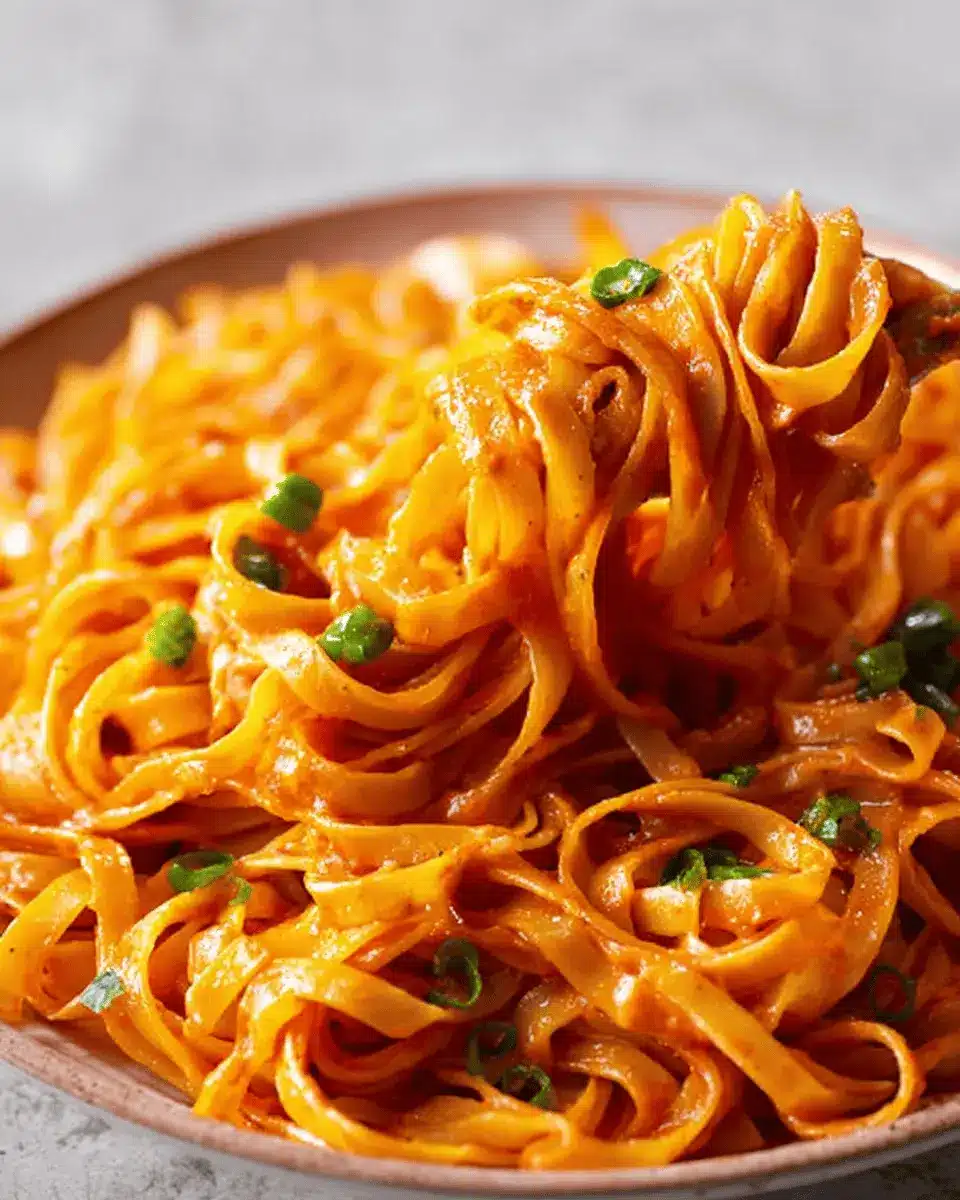
Ingredients for Gochujang Pasta
Essential ingredients for creamy gochujang pasta
Creating a delightful gochujang pasta starts with a handful of essential ingredients that work in harmony to deliver that creamy, spicy goodness. Here’s what you’ll need:
- 500g/1lb dried pasta: Options like linguine, spaghetti, or penne work beautifully.
- 1 tablespoon olive oil: Use this for sautéing to bring out the flavors of the onion and garlic.
- 1 onion: A finely chopped red or white onion adds depth.
- 2 garlic cloves: Finely grated or chopped for that aromatic kick.
- 300g/10½oz silken tofu: This is your secret ingredient for creaminess without dairy.
- 2 tablespoon gochujang: The star of the show! Adjust the amount to control the spice level.
- 2 tablespoon nutritional yeast: For a cheesy flavor without the dairy.
Optional ingredients for a personalized touch
While the essentials create a solid foundation, you can customize your gochujang pasta with optional ingredients:
- Frozen peas: Add a pop of color and nutrition; they're easy to throw in.
- Shredded greens: Kale or cavolo nero can elevate the dish even further.
- Nuts or seeds: Sprinkle some on top for added crunch and nutrition.
- Other spices: If you crave extra flavor, consider experimenting with chili flakes or sesame oil.
Feel free to check out this recipe on BBC Food for inspiration! Each ingredient contributes to making your gochujang pasta uniquely yours, inviting you to explore flavors and textures as you cook. What will you add?
Preparing Gochujang Pasta
Making gochujang pasta is an exciting culinary adventure that proves comfort food can be both delicious and healthy. Here’s a simple step-by-step guide to crafting this creamy and spicy dish that will surely impress!
Cooking the Pasta Perfectly
Start by boiling a large pot of salted water. A good rule of thumb is to use about 1 tablespoon of salt for every 2 liters of water. Add your choice of dried pasta—like linguine, spaghetti, or fusilli—and cook it according to the package instructions until it’s al dente. This usually takes about 8-10 minutes. Remember, reserving some of that starchy pasta water before draining can make a significant difference in your final sauce. It’s a small step that packs a punch!
Sautéing the Aromatics
While your pasta is cooking, why not add some aromatic flavors to the mix? Heat a tablespoon of olive oil in a saucepan over medium heat. Add finely chopped onions and grated garlic, seasoning them with a pinch of salt. Cover the pan to allow the onions to soften—this usually takes about 5 minutes. The aroma will fill your kitchen, setting the stage for your gochujang pasta masterpiece.
Blending the Creamy Sauce
Now for the magic! Grab a blender and add in 300g of roughly chopped silken tofu, which acts as a fantastic base. Toss in the gochujang—adjust to taste if you prefer more or less spice—and two tablespoons of nutritional yeast for a cheesy flavor punch. Don’t forget to incorporate the sautéed onion and garlic mixture and a couple of tablespoons of the reserved pasta water. Blend until completely smooth and creamy. Light, nutritious, and packed with flavor, this sauce is a showstopper on its own.
Combining Pasta and Sauce
Once your pasta is al dente and the sauce is blended to creamy perfection, it’s time to unite them. Pour the tofu sauce into the saucepan over medium heat and let it simmer gently. If you’re adding peas or any greens, toss them in now after giving them a quick boil or microwave to heat. Finally, add the drained pasta, stirring well to ensure every strand is coated in that luscious sauce. If it looks a tad thick, a splash of reserved pasta water will bring it all together nicely.
Serving It Up
The final touch! Transfer your beautifully coated gochujang pasta to serving bowls. For an extra pop of flavor, sprinkle on some additional nutritional yeast, or even a handful of sesame seeds or fresh herbs if you have them. Serve immediately and enjoy the delighted expressions of your friends and family as they dig into this satisfying meal. Whether you’re enjoying a cozy night in or hosting a dinner party, this dish is sure to be a hit!
Discover more inspiring pasta recipes and tips on platforms like BBC Food or Minimalist Baker for even more ideas. Now, dig in and savor the flavor!
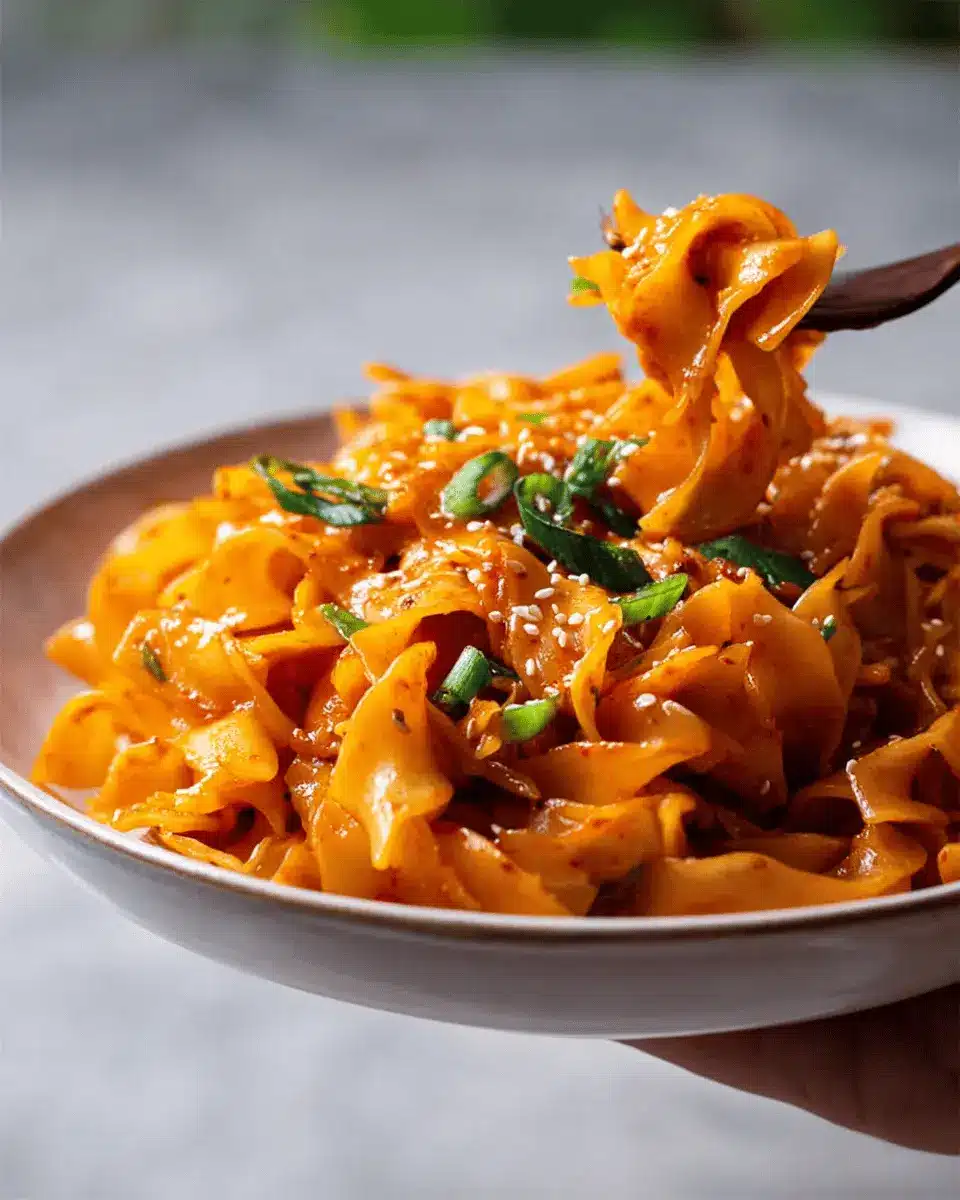
Variations on Gochujang Pasta
Gochujang Pasta with Additional Greens
To add a fresh twist to your gochujang pasta, consider tossing in some vibrant greens. Shredded kale or cavolo nero not only enhance the dish's nutrition but also create a delightful texture contrast. Simply sauté the greens along with your onion and garlic for added depth of flavor. You could also experiment with spinach or arugula; their mildness and peppery notes complement the spiciness of the gochujang beautifully. For a quick guide on adding greens, check out BBC Good Food’s site on healthy eating.
Alternative Protein Additions for a Heartier Dish
If you want your gochujang pasta to pack an even bigger punch, consider incorporating protein-rich ingredients. Turkey bacon or chicken ham can introduce a savory element that balances the creaminess of the sauce. Alternatively, sautéed mushrooms or lentils serve as fantastic, hearty plant-based options. Not only will these additions make the dish more filling, but they will also add layers of flavor that will keep your taste buds curious. For more on how to elevate your pasta dishes, you might enjoy this article on food pairings.
Cooking Tips and Notes for Gochujang Pasta
How to Adjust the Spice Level
If you love a kick, start with the recommended amount of gochujang, then taste and adjust according to your preference. Remember, this Korean chili paste packs a real punch! If you find it too spicy, you can balance the heat with a touch of maple syrup or honey, enhancing the overall flavor profile while mellowing the spice.
Tips for Achieving the Perfect Texture
For a creamy, luxurious consistency in your gochujang pasta, make sure to blend the tofu and sauce ingredients until completely smooth. If the sauce seems too thick after adding the pasta, gradually stir in reserved pasta cooking water, a little at a time, until you reach your desired creaminess. Don't hesitate to throw in some shredded greens for added texture and nutrition! Want to explore more ways to achieve perfect pasta? Check out BBC Good Food for expert insights.
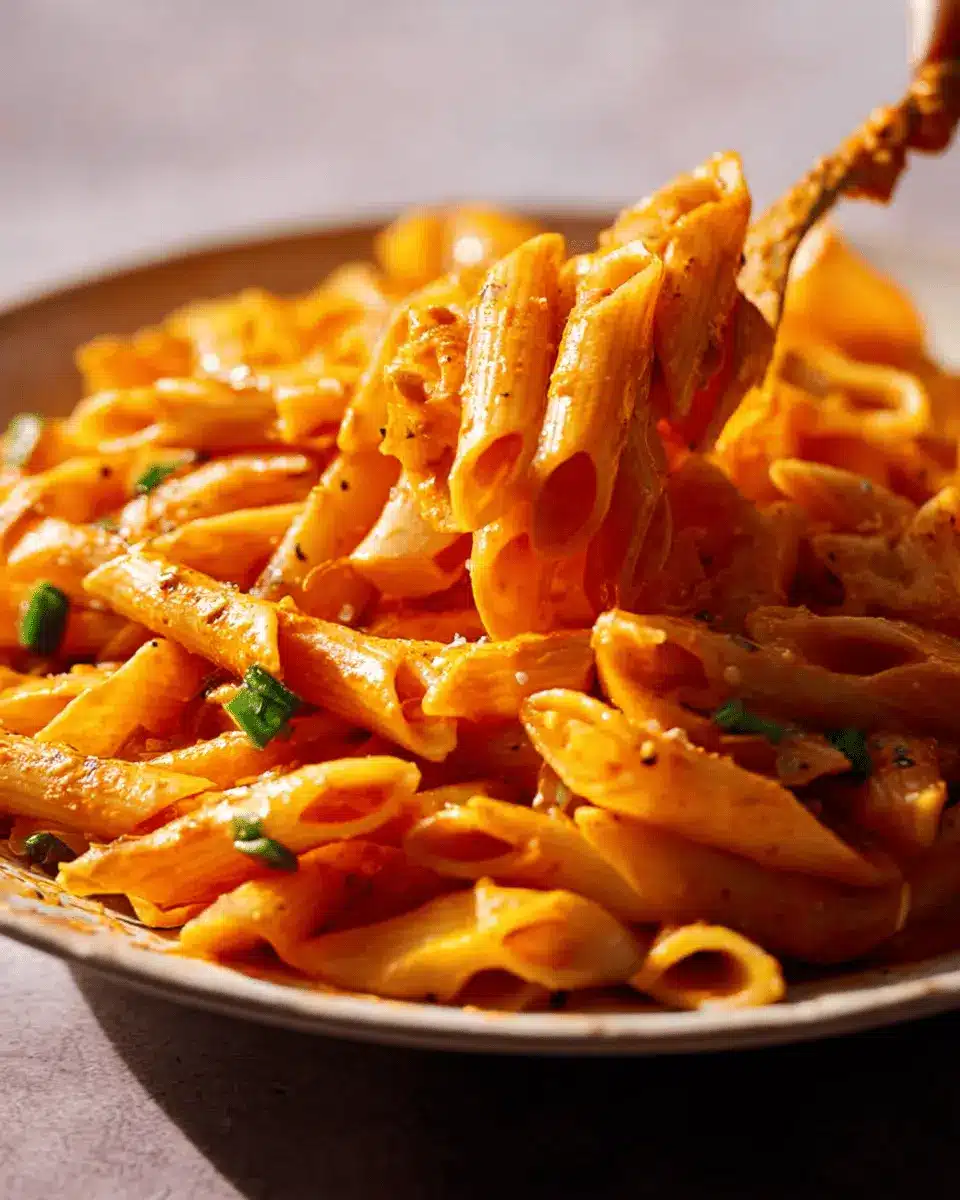
Serving Suggestions for Gochujang Pasta
Side Dishes that Pair Well with the Pasta
When it comes to complementing your gochujang pasta, consider serving it alongside some fresh, crunchy sides that balance its creamy heat. Here are a few options:
- Simple Salad: A light mixed greens salad with a lemon vinaigrette refreshes the palate.
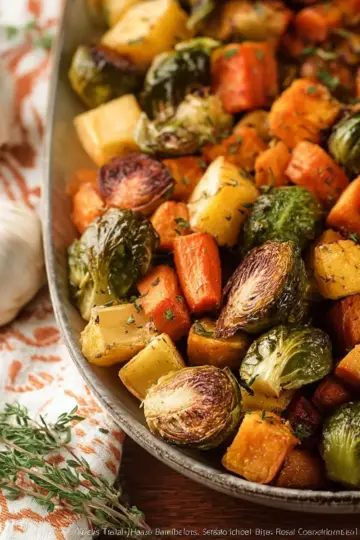
- Grilled Vegetables: Roasted or grilled bell peppers and zucchini add a smoky flavor that pairs well with the spice.
- Asian Slaw: A tangy coleslaw featuring cabbage, carrots, and sesame dressing creates a delightful contrast.
Creative Garnishes for a Restaurant-Style Presentation
Enhance the visual appeal of your gochujang pasta with these stylish garnishes:
- Sesame Seeds: A sprinkle of toasted sesame seeds offers a nutty crunch.
- Green Onions: Thinly sliced scallions add freshness and a pop of color.
- Microgreens: For a touch of elegance, top with microgreens or fresh herbs like cilantro or basil.
With these serving suggestions, your gochujang pasta will not only taste amazing but also look impressive on the plate! For more ideas, check out expert tips on serving pasta for a complete dining experience.
Time Breakdown for Gochujang Pasta
Preparation Time
Getting everything ready for your gochujang pasta is a breeze! You’ll only need about 10 minutes to chop your ingredients and measure everything out.
Cooking Time
Once you start cooking, give it around 15-20 minutes for the pasta and sauce to come together into that deliciously creamy dream you’ve been waiting for.
Total Time
All in all, you’re looking at a convenient 30 minutes from start to finish. Perfect for a weeknight dinner when you crave something satisfying yet quick!
For more quick dinner ideas, check out BBC Food for inspiration!
Nutritional Facts for Gochujang Pasta
Calories per serving
A delicious serving of gochujang pasta contains approximately 320 calories. This makes it a satisfying option for a meal that won’t weigh you down or derail your health goals.
Main nutrient content
This creamy pasta dish provides a good balance of nutrients, including:
- Protein: Thanks to silken tofu, it packs a healthy protein punch.
- Carbohydrates: With pasta as its base, it fuels energy.
- Fiber: Adding peas contributes to fiber content, beneficial for digestion.
Dietary considerations
Good news for various diets! The gochujang pasta is:
- Vegan and vegetarian-friendly: Made without any animal products.
- Dairy-free and egg-free: Suitable for those with lactose intolerance or egg allergies.
- Pregnancy-friendly: Ingredients are generally safe and nourishing for expectant mothers.
For more insights into the nutritional benefits, you can check resources like Healthline or NutritionData for comprehensive info. Remember to adjust portion sizes based on your dietary needs!
FAQs about Gochujang Pasta
How can I make the sauce less spicy?
If you're looking to tone down the heat in your gochujang pasta, there are a few effective methods. Consider reducing the amount of gochujang you use—start with one tablespoon and gradually adjust according to your taste. Another option is to add more silken tofu to create a creamier texture, which can help neutralize the spice. You might also incorporate a splash of coconut milk or a drizzle of olive oil for added creaminess and flavor.
What can I substitute for nutritional yeast?
If nutritional yeast isn't available, you can substitute it with finely grated Italian-style hard cheese for a non-vegan option. For a dairy-free alternative, consider using cashew cheese or even a cheesy vegan spread, which will add a similar umami flavor to your gochujang pasta.
Can I prepare this dish ahead of time?
Absolutely! The beauty of gochujang pasta is in its versatility. You can prepare the sauce ahead and store it in an airtight container in the refrigerator for up to three days. When ready to serve, just cook your pasta, warm the sauce, and mix them together for a quick meal. Easy peasy!
Conclusion on Gochujang Pasta
In summary, gochujang pasta is a delicious, versatile dish that combines creamy textures with a spicy kick. Ideal for busy weeknights, this vegan recipe offers flexibility in ingredients, ensuring it's both nutritious and satisfying. Try it out for a quick meal that tantalizes your taste buds!
For more delicious vegan recipes, check out BBC Food or explore other inspirations on Yummly.
Gochujang pasta
Equipment
- Blender
- saucepan
Ingredients
- 500 g dried pasta such as linguine, spaghetti, tagliatelle, fusilli or penne
- 1 tablespoon olive oil
- 1 onion red or white, finely chopped
- 2 garlic cloves finely grated or chopped
- 300 g block silken tofu roughly chopped
- 2 tablespoon gochujang
- 2 tablespoon nutritional yeast (or finely grated Italian-style hard cheese)
- large handful frozen peas optional
- salt to taste
Instructions
- Cook the pasta in a saucepan of well salted boiling water according to packet instructions, or until al dente. Drain and reserve some of the pasta cooking water.
- Meanwhile, heat the oil in a saucepan and fry the onion, garlic and a pinch of salt with the lid on until softened.
- Place the tofu, gochujang and nutritional yeast in a blender. Add the onion mixture and a couple of tablespoons of the reserved pasta cooking water and blend until totally smooth.
- If using the peas, boil or microwave them until hot.
- Pour the tofu mixture into a saucepan. Cook over a medium heat until it starts to simmer then add the pasta, along with a splash of the reserved pasta water if the sauce is a little thick.
- Toss the peas, if using, with the creamy pasta and serve immediately.
Leave a Reply