
Introduction to Frittatas
Frittatas are a fantastic meal option for young professionals looking to balance busy schedules and healthy eating. Packed with protein from eggs and a variety of vegetables, these oven-baked dishes are both simple to make and incredibly versatile. Whether you’re starting your day with a filling breakfast or prepping a quick dinner, learning how to make a frittata can save time while tantalizing your taste buds.
One of the best aspects of frittatas is how adaptable they are. You can customize them to incorporate whatever ingredients you have on hand, from fresh veggies to leftover proteins like turkey bacon or chicken ham. This means less food waste and easy meal prepping! According to a study by the Food Waste Alliance, many young professionals struggle to find inspiration with leftover ingredients, often resulting in unnecessary waste. With frittatas, you can feel good about using up those odds and ends.
Preparing a frittata is straightforward and quick, with a total time of just 30 minutes. It’s perfect for busy mornings or when you want something satisfying without spending hours in the kitchen. So let's dive into the delicious world of frittatas and explore the basic recipe alongside five tasty variations.

Ingredients for Your Frittata
Basic Ingredients Needed for a Classic Frittata
To master the art of how to make a frittata, you'll need a few key ingredients. The foundation of a classic frittata includes:
- 6 large eggs (8 for a larger 12-inch skillet)
- ¼ cup unsweetened almond milk or any milk of your choice
- 2 garlic cloves, minced for that aromatic touch
- ¼ teaspoon sea salt, with a sprinkle of extra for flavor
- Freshly ground black pepper to taste
- A drizzle of extra-virgin olive oil to finish
These basic components create a deliciously fluffy, savory base that you can customize.
Suggested Ingredients for a Range of Delicious Variations
The beauty of a frittata lies in its adaptability. Here are some fantastic variations you can try:
- Broccoli Feta: Add scallions, broccoli, smoked paprika, and feta cheese.
- Roasted Red Pepper & Spinach: Mix in shallots, roasted red bell peppers, fresh spinach, and feta.
- Spring Veggie: Incorporate spring onions, asparagus, peas, and both mozzarella and feta cheese.
- Mixed Mushroom & Tarragon: Combine shallots, a mix of mushrooms, tarragon, and grated pecorino.
- Caprese: Toss in cherry tomatoes, mozzarella, and fresh basil for a classic Italian twist.
These variations not only diversify your frittata experience but also keep meals exciting! For ideas on how to select the freshest ingredients, check out this guide on seasonal vegetables. Happy cooking!
Step-by-Step Preparation of Frittatas
Creating a frittata isn't just a cooking task—it's an opportunity to explore your culinary creativity. Follow this guide to learn how to make a frittata that will impress everyone around your dining table.
Gather Your Ingredients and Tools
The first step to a successful frittata is ensuring you have all your ingredients and tools at hand. This not only makes the process smoother but also adds to the fun.
What you'll need:
-
Ingredients:
-
6 large eggs (or 8 for a larger skillet)
-
¼ cup unsweetened almond milk or any milk of your choice
-
2 garlic cloves, minced
-
¼ teaspoon sea salt
-
Freshly ground black pepper
-
Extra-virgin olive oil for drizzling
-
Any additional ingredients from the variations you’d like to try!
-
Tools:
-
A 10-Inch cast iron skillet (an enameled cast iron skillet works wonders too)
-
A mixing bowl
-
A whisk or fork
Having everything ready will help you focus on the fun part: cooking!
Preheat the Oven and Prepare Your Skillet
Start by preheating your oven to 400°F. While that's warming up, take your cast iron skillet and add a drizzle of extra-virgin olive oil. Heat it on medium to create a non-stick surface for your frittata. If you’re using a non-stick skillet, you can skip this step, but a little oil can help flavor the dish and add a crispiness to the edges.
Whisk Together Your Egg Mixture
In a mixing bowl, whisk the eggs with almond milk, minced garlic, sea salt, and a sprinkle of black pepper until everything is well combined. This step is essential as it allows for a smooth and creamy frittata texture. Have you ever scrambled eggs and gotten that perfect consistency? That's what we’re aiming for here!
Sauté Your Chosen Vegetables
Next, it's time to get those flavors going! Depending on your desired frittata variation, sauté your vegetables in the skillet until they’re tender. For instance, if you’re going for the Broccoli Feta variation, cook scallions and broccoli until they’re bright and tender—just about 5 to 8 minutes. Don’t shy away from adding your personality to the mix!
Combine and Bake the Frittata
After sautéing, pour your egg mixture over the veggies and gently shake the pan to distribute it evenly. Add your chosen toppings (like feta or mozzarella) and place the skillet in the preheated oven. Bake for 15 to 20 minutes, or until the eggs are fully set and the top is slightly golden. Serve warm, and prepare for the compliments to roll in!
A delicious frittata is more than just a meal; it's a smart way to use leftovers and reduce waste—all while looking fabulous on your table. You can read more about cooking techniques and ingredient pairings here for further inspiration.
Happy cooking!
Variations on the Classic Frittata
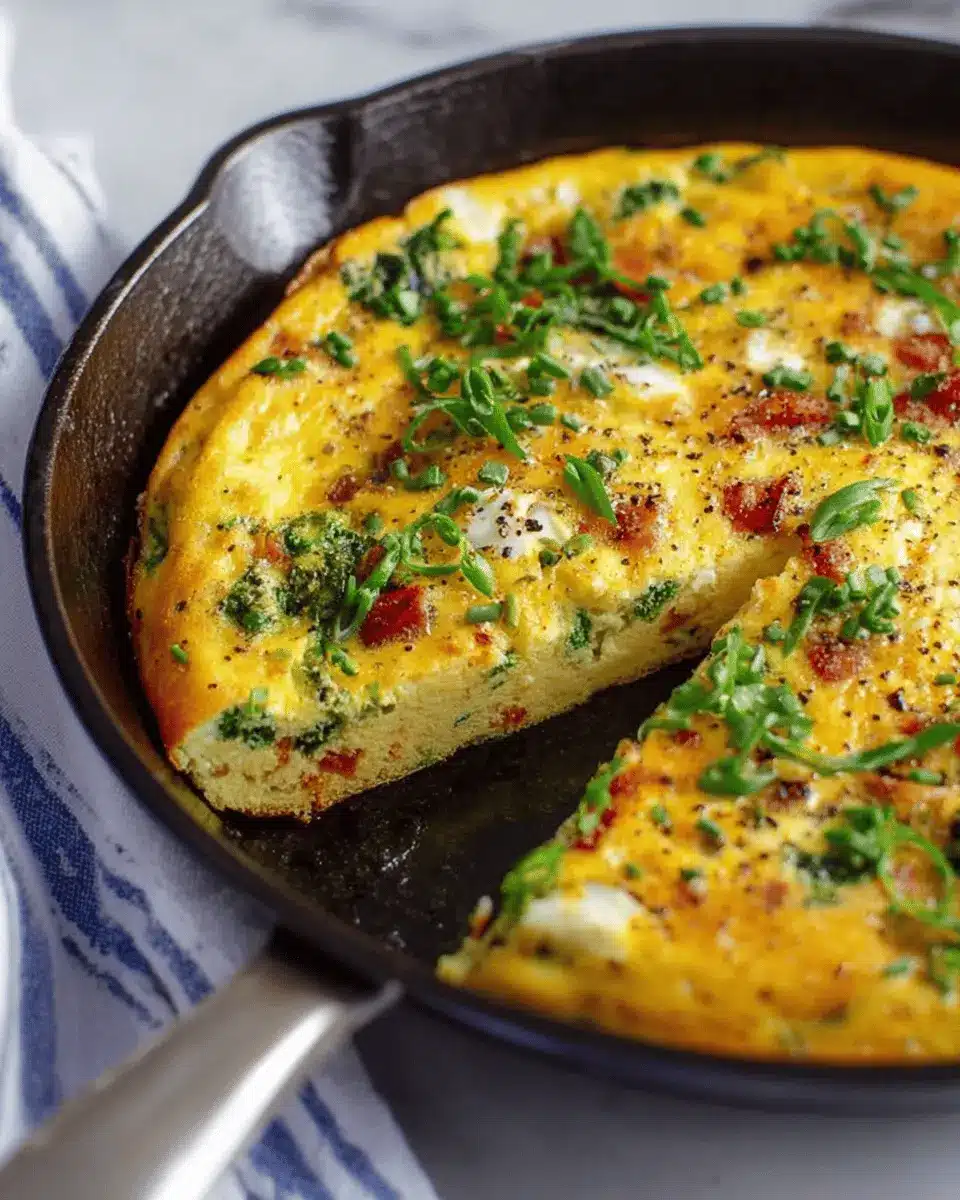
Frittatas are wonderfully adaptable, and once you grasp how to make a frittata, you can tailor it to your taste. Here are five delicious variations to keep your brunches exciting.
Broccoli Feta Variation
This lightly savory frittata packs a healthy punch with chopped broccoli and creamy feta. The smoked paprika adds a depth of flavor that elevates this simple dish.
Roasted Red Pepper & Spinach Variation
Bright and colorful, this version combines sautéed roasted red peppers and fresh spinach for a vibrant frittata. The crumbled feta ties everything together beautifully.
Spring Veggie Variation
Celebrate springtime with asparagus, peas, and fresh herbs like tarragon or chives. This variation is a testament to seasonal freshness and taste.
Mixed Mushroom & Tarragon Variation
The earthy flavors of mixed mushrooms paired with aromatic tarragon create a delightful twist. This one is perfect for mushroom lovers!
Caprese Variation
If you’re a fan of the classic Caprese salad, you’ll love this frittata. With cherry tomatoes, mozzarella, and fresh basil, it’s like Italian sunshine on a plate.
With these variations, your frittata game will always be strong—no recipe boredom in sight! For more details on preparing these variations, check out this handy guide.
Cooking Tips and Notes for Perfect Frittatas
Best Practices for Achieving the Perfect Texture
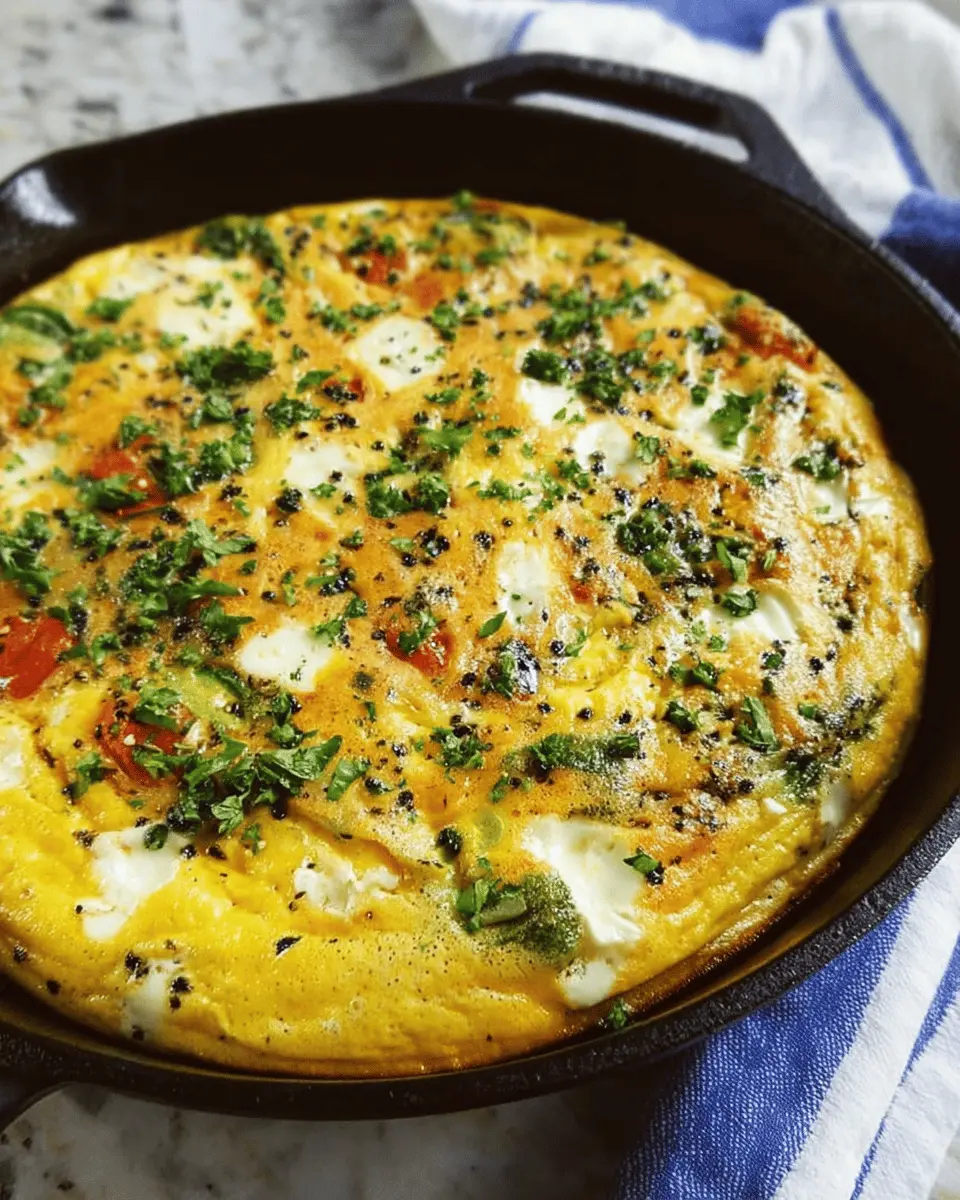
To master how to make a frittata with that ideal creamy texture, avoid overcooking the eggs. Start with medium heat and gently shake the pan to ensure even cooking. Bake until just set; the residual heat will finish cooking the eggs. For a fluffier frittata, whisk in your choice of milk or cream, as it adds air and richness.
How to Choose the Right Ingredients
Selecting fresh, vibrant vegetables not only boosts flavor but also enhances the nutritional value of your frittata. Consider seasonal produce—like asparagus in spring or tomatoes in summer—for the best taste. Additionally, balance flavors with cheeses such as feta or mozzarella and seasonings like herbs to elevate your dish. The right combinations truly make a difference! For fresh ingredient ideas, check out Seasonal Produce Guides.
Serving Suggestions for Frittatas
Ideas for Sides and Accompaniments
Frittatas are wonderfully versatile, making them an excellent choice for any meal. Pair your frittata with a light arugula salad drizzled with balsamic vinaigrette for a refreshing contrast. For a heartier option, consider serving with roasted sweet potatoes or whole-grain toast. You can also enhance your experience with a side of fresh fruit, like sliced strawberries or a citrus salad.
How to Present Your Frittata for Guests
When it comes to serving frittatas, presentation is key! Slice your frittata into wedges and arrange them on a beautiful platter. Garnish with fresh herbs like basil or chives for a pop of color. Consider serving with a small bowl of homemade salsa for a fun, interactive element. If you're hosting brunch, make it a delightful centerpiece that everyone can admire, while also enjoying one of the simplest yet elegant dishes.
For more tips on how to make a frittata shine at your next gathering, feel free to explore additional serving ideas here.
Time Breakdown for Frittatas
Preparation Time
Getting ready to whip up a delicious frittata takes just about 5 minutes. This includes gathering your ingredients and preheating your oven.
Cooking Time
Once everything is prepped, you'll spend around 25 minutes cooking your frittata, giving it a beautifully set and golden finish.
Total Time
Altogether, you're looking at about 30 minutes from start to finish. Perfect for a quick breakfast or brunch!
Now that you've got the timing down, why not dive into making your own frittata? It's both easy and rewarding! If you're curious about further variations or cooking tips, check out this expert resource for more insights. Happy cooking!
Nutritional Facts for Frittatas
Calories and Macronutrients
A standard serving of frittata (made with 6 large eggs) contains approximately 210 calories, with around 16g of protein, 15g of fat, and 2g of carbohydrates. These numbers can vary depending on your choice of ingredients. Adding veggies provides fiber and essential vitamins, making this dish not only flavorful but nutritious.
Potential Health Benefits of the Ingredients Used
The ingredients in a frittata, such as eggs and fresh vegetables, offer numerous health benefits. Eggs are a fantastic source of high-quality protein and essential vitamins like B12. Leafy greens boost your meal’s antioxidant content, aiding in healthy digestion. Incorporating options like feta or mozzarella adds calcium, promoting bone health. By experimenting with different vegetables, you can also increase the frittata’s overall nutrient density.
To explore more about the health benefits of eggs, check out Healthline, or discover the advantages of leafy greens at Verywell Fit. With each colorful variation, you're not just learning how to make a frittata, but you also embrace a healthy lifestyle!
FAQs about Making Frittatas
What is the best way to store leftover frittata?
Leftover frittata can be easily stored in the refrigerator for up to three days. Simply place it in an airtight container to keep it fresh. For longer storage, consider freezing individual slices, wrapped tightly in plastic wrap, and placed in a freezer-safe container. This way, you can enjoy a quick breakfast or snack whenever the craving hits!
Can I make frittatas ahead of time?
Absolutely! Frittatas are a fantastic make-ahead option. Prepare your frittata a day or two in advance, allowing it to cool completely before storing it in the fridge. Reheat individual portions in the oven or microwave when you’re ready to enjoy. This makes meal prepping easy!
What other ingredients can I add to my frittata?
Get creative with your frittatas! Along with veggies, you can add proteins such as turkey bacon or chicken ham, and cheese varieties like goat cheese or cheddar. Herbs and spices can also elevate the flavor—try fresh basil or a pinch of chili flakes for a kick. For inspiration, check out more about ingredient combinations at Bon Appétit.
Making a frittata is versatile, so feel free to experiment!
Conclusion on Frittatas
Making frittatas at home is not only simple but also a delightful way to enjoy a nutritious meal. Packed with protein and vitamins, frittatas offer endless customization options to suit your taste. So grab your skillet and start experimenting with flavors—you’ll love how easy it is! For more kitchen inspirations, check out this great resource on egg dishes.
How to Make a Frittata
Equipment
- 10-Inch Cast Iron Skillet
Ingredients
Basic Frittata Recipe
- 6 large eggs use 8 eggs for a 12-inch skillet
- 0.25 cup unsweetened almond milk or any milk
- 2 cloves garlic minced
- 0.25 teaspoon sea salt more for sprinkling
- black pepper freshly ground
- extra-virgin olive oil for drizzling
- additional ingredients for your desired variation
Variation #1: Broccoli Feta
- 6 scallions chopped
- 2 cups chopped broccoli or broccolini
- 0.125 teaspoon smoked paprika
- 0.25 cup crumbled feta cheese
Variation #2: Roasted Red Pepper & Spinach
- 1 shallot chopped
- 2 roasted red bell peppers chopped
- 2 cups spinach
- 0.33 cup crumbled feta cheese
Variation #3: Spring Veggie
- 4 spring onions or scallions, chopped
- 0.5 cup chopped asparagus tender parts
- 0.5 cup frozen peas thawed
- 0.5 cup halved mini mozzarella balls
- 0.25 cup crumbled feta cheese
- 0.25 cup chopped tarragon or chives
Variation #4: Mixed Mushroom & Tarragon
- 1 shallot chopped
- 12 ounces mixed mushrooms chopped
- 0.25 cup chopped tarragon
- 0.33 cup grated pecorino cheese
Variation #5: Caprese
- 1 shallot chopped
- 2 cups halved cherry tomatoes
- 0.75 cup halved mini mozzarella balls
- 0.5 cup sliced fresh basil leaves
Instructions
Prepare Frittata
- Preheat the oven to 400°F.
- Whisk the eggs, almond milk, garlic, and salt until well combined. Set aside. Choose a vegetable variation. Follow the corresponding instructions to make it.
Broccoli Feta
- Heat 1 tablespoon olive oil in a 10 or 12-inch cast-iron skillet over medium heat. Add the scallions, broccoli, and a pinch of salt and pepper and cook, stirring occasionally, until the broccoli is tender but still bright green, 5 to 8 minutes. Stir in the smoked paprika, then add the egg mixture and gently shake the pan to distribute. Sprinkle with the feta and bake 15 to 20 minutes or until the eggs are set. Season to taste and serve.
Roasted Red Pepper & Spinach
- Heat ½ tablespoon olive oil in a 10 or 12-inch cast-iron skillet over medium heat. Add the shallot, and a pinch of salt and pepper and cook until translucent, about 5 minutes. Add the roasted red peppers and spinach. Sauté until the spinach is wilted, then add the egg mixture and gently shake the pan to distribute. Sprinkle with the feta and bake 15 to 20 minutes or until the eggs are set. Season to taste and serve.
Spring Veggie
- Heat ½ tablespoon olive oil in a 10 or 12-inch cast-iron skillet over medium heat. Add the scallions, asparagus, and a pinch of salt and pepper and cook, stirring occasionally, until the asparagus is tender but still bright green, about 5 minutes. Add the peas, then add the egg mixture and gently shake the pan to distribute. Add the mozzarella and feta and bake 15 to 20 minutes or until the eggs are set. Season to taste and serve.
Mixed Mushroom & Tarragon
- Heat 1 tablespoon olive oil in a 10 or 12-inch cast-iron skillet over medium heat. Add the shallot, and a pinch of salt and pepper and cook until beginning to soften, about 3 minutes. Add the mushrooms, stir, and cook until soft and tender, about 8 minutes, stirring only occasionally. Stir in the tarragon, then add the egg mixture and gently shake the pan to distribute. Sprinkle with the pecorino and bake 15 to 20 minutes or until the eggs are set. Season to taste and serve.
Caprese
- Heat ½ tablespoon olive oil in a 10 or 12-inch cast-iron skillet over medium heat. Add the shallot, and a pinch of salt and pepper and cook until translucent, about 5 minutes. Add the tomatoes, half the basil, stir, then add the egg mixture and gently shake the pan to distribute. Add the mozzarella and bake 15 to 20 minutes or until the eggs are set. Top with the remaining basil. Season to taste and serve.
Leave a Reply